Img 20261018 Wa0008
*NPFL Security Chief Calls for Proactive Measures to Prevent Stadium Violence, Commends Plateau United’s Security Training Initiative*
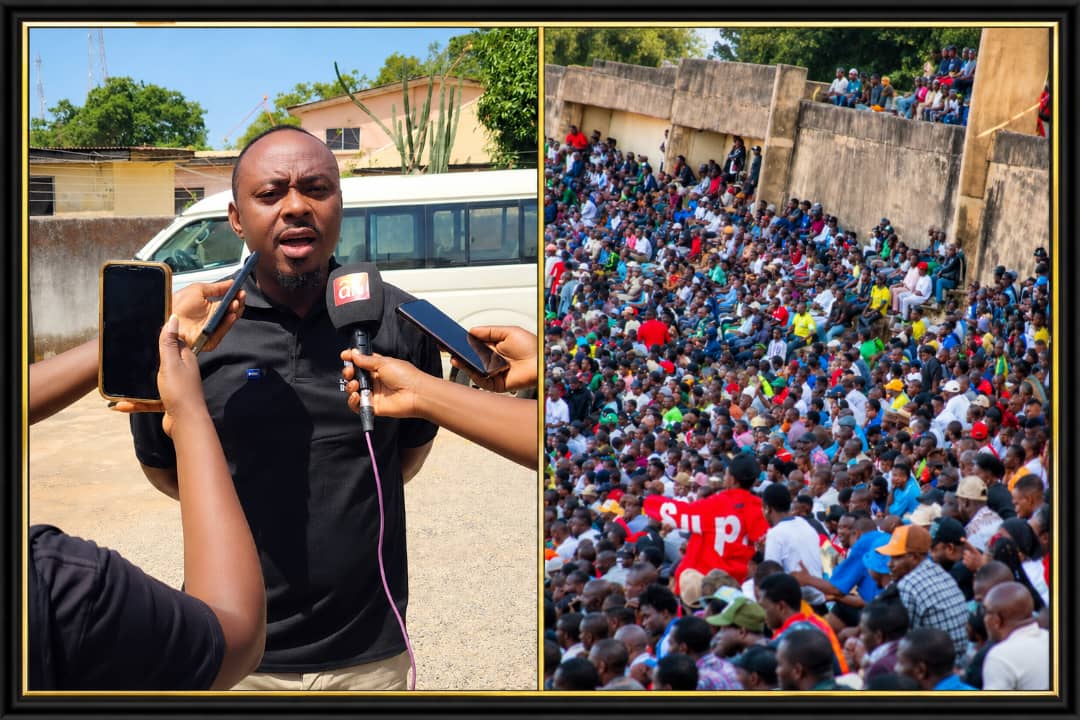
The Head of Protocol and Security of the Nigeria Premier Football League (NPFL), Henry Chijioke, has stressed the need for football clubs across Nigeria to adopt proactive security measures, effective matchday planning and international best practices to prevent crowd violence and ensure the safety of players, officials and spectators.
Chijioke made the call in Jos while serving as a resource person at a matchday security training programme organised by the management of Plateau United Football Club for its security personnel and supporters’ club members.
Chijioke, who commends the NPFL leadership in making sure the league is rated as some of the best league worldwide, explained that the training was designed to bring Plateau United’s matchday security personnel up to speed with modern football security operations and equip them with the knowledge required to prevent incidents capable of disrupting matches.
According to him, prevention remains the most effective approach to stadium safety, warning that failure to anticipate security threats could result in serious consequences for clubs, supporters and football authorities.
“In football security and safety, being proactive is better than reacting. If you prevent an incident from happening, you are better off. But when you allow it to happen, the consequences can be very damaging,” Chijioke stated.
The NPFL security official recalled previous incidents of crowd violence at football venues, including the MKO Abiola Stadium, which he said had experienced security-related disruptions that affected its use for football activities.
He maintained that such experiences underscore the importance of continuous training, risk assessment and proper coordination among security stakeholders.
Chijioke identified inadequate pre-match security planning as a major concern in Nigerian domestic football.
He explained that Confederation of African Football (CAF) security guidelines provide for security coordination meetings at least two days before matches, describing the practice as essential to identifying potential threats and developing preventive strategies.
“At matchday minus two, which is two days before the match, there should be a security meeting involving all relevant stakeholders. Unfortunately, many Premier League clubs do not consistently observe this practice, and that is what we are trying to address,” he explained.
According to him, such meetings should bring together heads of security, stewards, safety officers, police representatives and other personnel responsible for stadium operations.
He said the purpose was to conduct a comprehensive risk assessment, identify potential hazards and agree on operational arrangements ahead of matchday.
“If you don’t plan, you plan to fail. Everybody involved in matchday security must come together, identify possible threats and agree on how to manage them before the match begins,” he emphasised.
The NPFL official also highlighted the importance of early security deployment, explaining that security personnel should arrive at match venues at least three hours before kickoff.
He noted that early arrival would allow officers to receive operational briefings, conduct security checks, inspect the stadium and take up their assigned positions before spectators are admitted.
Chijioke expressed concern that many football stadiums in Nigeria remain accessible to members of the public for several hours before matches, a situation he said could create opportunities for dangerous objects to be brought into the venue.
“Security personnel must be at the stadium at least three hours before the match. They must be properly briefed and deployed before the gates are opened to spectators,” he said.
He explained that such arrangements would also ensure that the home team, visiting team and match officials arrive at a venue where adequate security measures are already in place.
According to him, uncontrolled access before matches could allow individuals to conceal stones and other dangerous objects that might later be used against referees, players or fellow spectators.
Chijioke further disclosed that the programme would expose participants to internationally recognised approaches to football security, including matchday planning, crowd management, stewarding, risk assessment and emergency preparedness.
He explained that the training would combine classroom instruction with practical demonstrations at the stadium to help participants understand their responsibilities during football matches.
Particular attention, he said, would be given to the duties of stewards, security coordination and the importance of maintaining order without compromising spectators’ safety.
He stressed that the ultimate objective was to ensure that football stadiums remained safe and family-friendly environments where supporters could enjoy matches without fear of violence or intimidation.
Chijioke described the decision by Plateau United’s management to organise the training as an important preventive measure aimed at strengthening the club’s matchday security structure.
He expressed optimism that the knowledge acquired would improve security coordination and encourage greater adherence to established football safety procedures.
The training brought together personnel involved in Plateau United’s matchday operations, including security officers and supporters’ club representatives, as part of efforts to strengthen crowd control and prevent disturbances during NPFL fixtures.
The initiative also reinforces the growing emphasis on preventive security planning, professional stewarding and improved safety standards in Nigerian domestic football.