
Img 20260828 Wa0123
Nigeria Football Needs Homegrown Talent And Technocratic Leadership Says Akwuegbu Supporters
Nigeria is blessed with an abundance of sporting talents, from primary schools to secondary schools, waiting to be discovered, developed and given opportunities to compete at the highest level.
Rather than constantly searching for emerging athletes, sports administrators and coaches should focus on identifying and nurturing the enormous pool of talents already available across the country.
Football, widely regarded as Nigeria’s most popular sport, remains at the heart of the nation’s sporting culture. The game has the unique ability to unite Nigerians across ethnic, religious and regional divides, particularly when the national teams — the Super Eagles and Super Falcons — are on the international stage.
Nigeria has experienced moments when football generated tremendous national pride. The 1996 Olympic Games in Atlanta remain a landmark, when Nigeria’s Dream Team won the gold medal in the men’s football competition. The achievement triggered nationwide celebrations and earned the players significant recognition from the Nigerian government.
The 1980 Africa Cup of Nations-winning squad also received substantial national recognition, including houses and national honours, demonstrating the importance Nigeria has historically attached to football success.
However, there are growing concerns that Nigerian football has not progressed at the pace expected in the 21st century. There is therefore a need for strategic thinking, accountability, professional administration and the appointment of competent individuals capable of rebuilding the country’s football structures.
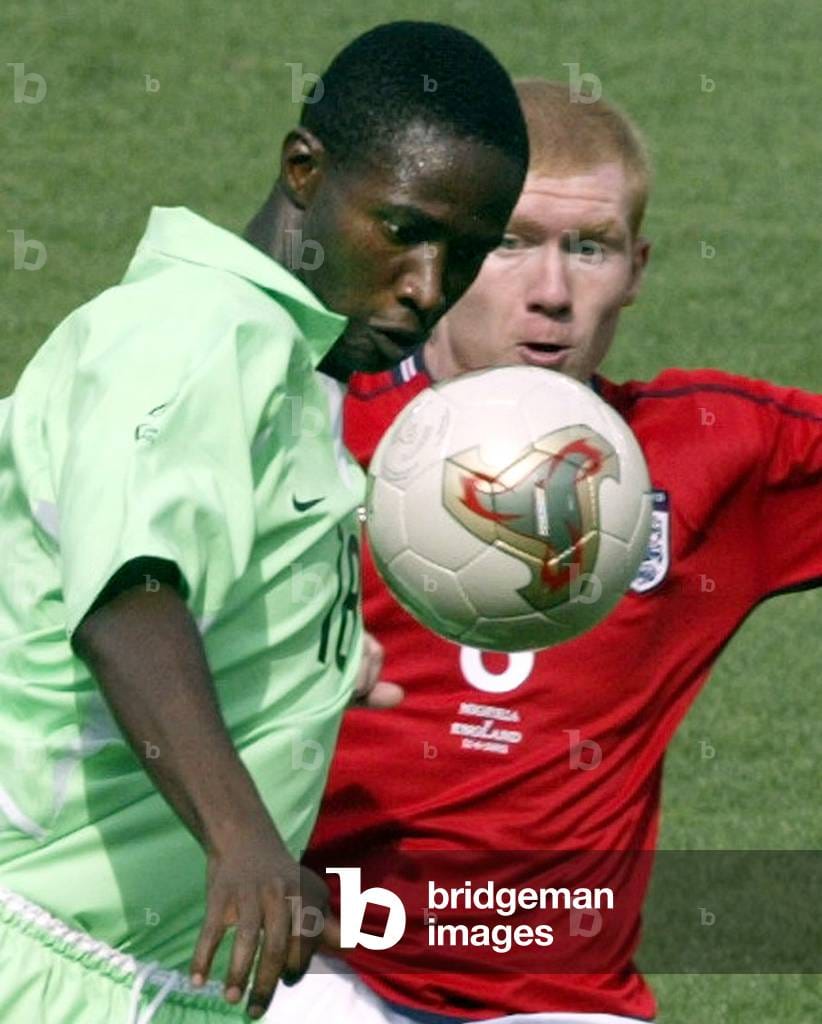
One former international being proposed for greater responsibility in Nigerian football is *Benedict Akwuegbu*, popularly known as the “Austrian Bomber.”
Akwuegbu brings extensive playing and administrative experience to the table. During his playing career, he represented Nigeria at several age-grade levels, including the Under-17, Under-20 and Under-23 national teams, before progressing to the senior national team, the Super Eagles.
He was also part of the Nigerian squad at the 2002 FIFA World Cup in Korea/Japan and was involved with the Super Eagles during the 2000 Africa Cup of Nations, which was jointly hosted by Nigeria and Ghana.
Beyond his playing career, Akwuegbu has demonstrated an interest in grassroots football development. He reportedly financed Mbaise Lions FC with personal resources, supporting the club’s participation in the Federation Cup from the state level through to the national stage.
The club eventually exited the competition at the national level but, according to his supporters, did so having competed with determination and distinction.
Akwuegbu later served as Technical Director of Mighty Jets of Jos, where he was credited by his supporters with making a notable impact within a short period.
His involvement in grassroots development has also extended to supporting young Nigerian players seeking opportunities abroad. His supporters say he has personally sponsored several grassroots players to Europe without demanding financial returns from the players or organisations involved.
Akwuegbu currently oversees football projects including Ben Akwuegbu FC, which campaigns in the Nigeria Nationwide League One (NLO), alongside Ben Akwuegbu U19 and Ben Akwuegbu Feeders teams operating in Northern Nigeria.
Those backing his candidacy argue that his experience managing players from the grassroots level gives him an understanding of the challenges involved in talent identification, player development and football administration.
They believe such experience could be valuable if applied to Nigeria’s national teams, from the Under-17 and Under-20 sides to the Under-23 team, Super Eagles and, where appropriate, the women’s national teams.
The argument is that national-team selection should be based strictly on merit, performance, discipline and current form, rather than connections or other considerations.
Akwuegbu’s supporters are therefore appealing to President Bola Ahmed Tinubu and relevant football authorities to consider giving experienced Nigerian football professionals greater opportunities to contribute to the rebuilding of the nation’s football system.
They argue that Nigeria needs a new approach centred on transparency, accountability, technical competence and effective administration.
The appeal also comes against the backdrop of previous efforts to involve prominent former internationals in technical and advisory structures. A Technical Study Group involving former Super Eagles stars such as Austin “Jay-Jay” Okocha, Victor Ikpeba, Nwankwo Kanu and Daniel Amokachi, among others, was expected to contribute valuable expertise, although disagreements and internal challenges reportedly limited its effectiveness.
For Akwuegbu’s supporters, the priority now should be to move beyond personalities and build a professional system where experience, competence and results determine who gets responsibility.
Nigeria’s football problems will not be solved through confrontation or a physical battle, they argue, but through intelligence, sound planning, proper talent development and competent technical leadership.
Football, they maintain, is a national asset that must be protected and professionally managed.
With Nigeria’s enormous grassroots talent pool and a new generation of players emerging across the country, the challenge is not necessarily finding talent but creating the structures capable of identifying, developing and retaining the best.
The supporters of Benedict Akwuegbu believe his playing experience, grassroots involvement, administrative exposure and international background make him worthy of consideration.
Their message to the country’s football authorities is simple: Nigeria has the talent. What is needed is the right system and the right people to harness it.
For them, giving experienced professionals such as Akwuegbu an opportunity to serve could be part of the process of restoring Nigerian football to its winning tradition.
Credit: Nathaniel Mobolade

