Img 20260708 Wa0069
Coaches, Sports Administrators And Other Sports Stakeholders Sing For Joy As The National Institute For Sports Finally Brings Professional Sports Training To Jos And Begins Basic Courses In October
In a major boost for sports development and human capacity building in Nigeria’s North Central region, the National Institute for Sports (NIS) has announced that its North Central Zonal Centre in Jos will commence Basic Certificate programmes in October 2026, making professional sports education more accessible to coaches, fitness professionals, stadium managers, sports marketers, sports administrators, journalists, and other sports stakeholders
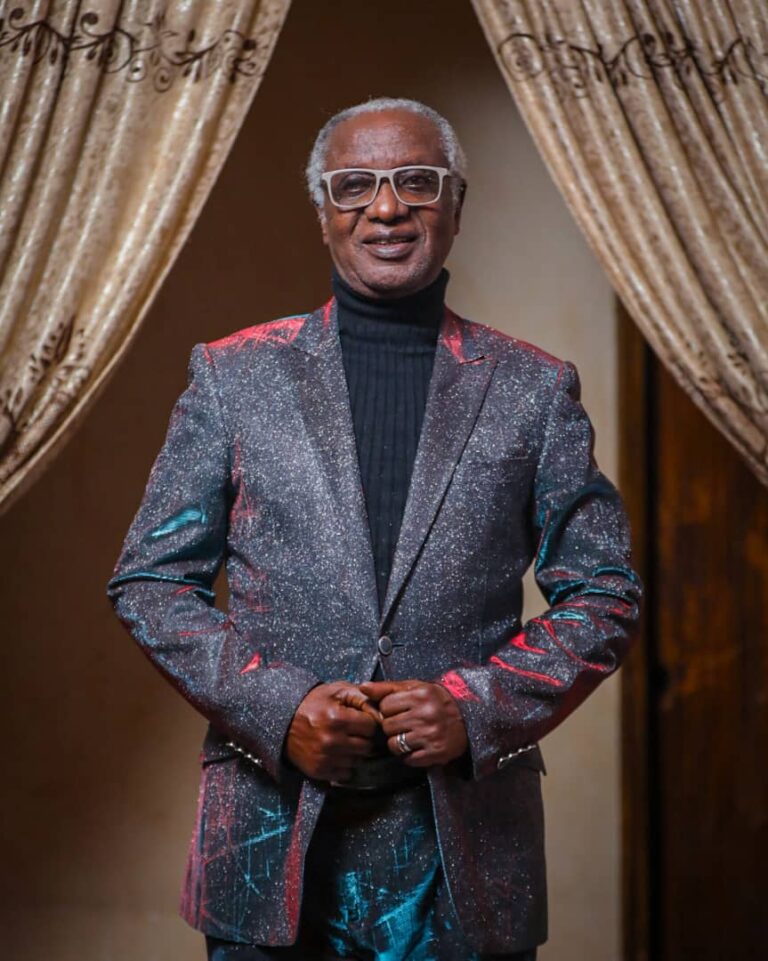
Speaking during a visit paid on the Plateau State Football Association Secretariat, the North Central Zonal Coordinator of the National Institute for Sports, Joseph Kamlong Gabriel, said the establishment of the Jos centre fulfills the institute’s mandate of decentralising sports education and eliminating the financial and logistical burden of travelling to Lagos for professional sports training.
According to Gabriel, the first phase of academic activities will feature three-month Basic Certificate programmes in Coaching, Fitness Facilitation, and Stadium Management.
He explained that the Basic Fitness Facilitation programme is specifically designed to prepare participants for careers in the rapidly growing health and wellness industry by equipping them with the skills required to establish and manage gyms, aerobics centres and other fitness businesses.
“The fitness industry is expanding rapidly. Someone who completes the Basic Fitness Facilitation course can establish a gym or fitness centre and begin offering professional services to the public,” Gabriel said.
Beyond the Basic Certificate programmes, the institute will also offer Advanced Certificate and Professional Diploma programmes in coaching across various sports, sports management, fitness facilitation and conditioning.
Gabriel disclosed that applicants seeking admission into the Advanced Certificate programmes must possess a minimum of five O’Level credits, while candidates for the Professional Diploma programmes must hold a Higher National Diploma (HND) or Bachelor’s Degree. For Professional Fitness Facilitation and Conditioning, applicants are expected to have qualifications in Physical and Health Education or related science disciplines.
He added that the Basic Certificate programmes are open to both male and female applicants from 18 years of age, with no upper age limit.
“Our programmes are designed for everyone interested in building a professional career in sports administration, coaching, fitness and facility management,” he stated.
Gabriel explained that although the Jos centre had initially planned to participate in the current admission cycle, administrative timelines made that impossible, leading to the decision to commence admissions in October.
He revealed that following the successful launch of the Basic Certificate programmes, the institute intends to introduce the Advanced Certificate and Professional Diploma programmes from January 2027.
The coordinator noted that the Jos campus is one of several zonal centres established by the National Institute for Sports to decentralise sports education across the country. Other centres are located in Kaduna for the North West and Yola for the North East, while Jos serves as the hub for the North Central geopolitical zone.
According to Gabriel, although the policy establishing zonal campuses had existed for years, recent implementation efforts have finally brought professional sports education closer to athletes, coaches and administrators across the region.
He appealed to the Plateau State Government, corporate organisations and other stakeholders to support the institution with the infrastructure and resources required for a successful take-off.
Gabriel further disclosed that neighbouring states, including Kaduna and Benue, have already commenced student admissions, expressing confidence that Plateau State will begin its own admissions in October.
He also encouraged local government councils, sports associations, educational institutions, private sports academies and club owners to take advantage of the programmes by enrolling coaches, sports officers and administrators.
He expressed optimism that the successful commencement of the institute’s programmes in Jos would significantly improve coaching standards, sports administration and professional capacity across Plateau State and the wider North Central region, ultimately contributing to the growth and development of Nigerian sports.
Credit: Nathaniel Mobolade